
FMCSA Hours-of-Service Violations in Truck Accident Cases
Hours-of-service violations are one of the most important liability drivers in serious truck crash claims. If a commercial driver exceeded legal limits, fatigue can become central proof of negligence.
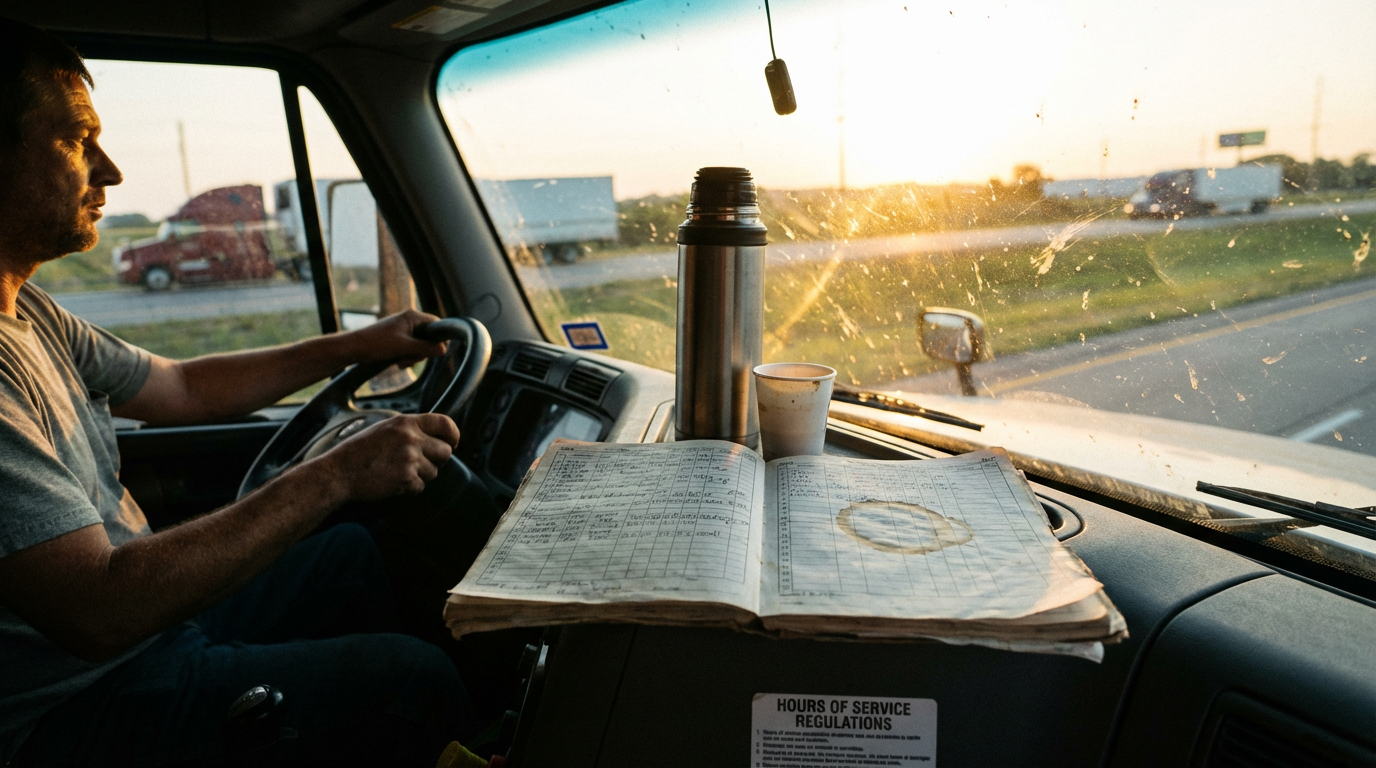
"Fatigue is often hidden in the paperwork. The logs usually tell the story." - Shawn S. Rokni
Why Hours-of-Service Rules Matter
Federal Motor Carrier Safety Administration (FMCSA) rules limit how long truck drivers can operate before mandatory rest. These limits exist to reduce fatigue-related crashes and improve roadway safety.
- Daily and weekly driving limits affect fault analysis.
- Violations can support negligence and punitive themes in severe cases.
- Logbook accuracy often affects witness credibility and settlement value.
Key Records We Analyze
- Electronic Logging Device (ELD) exports and event timestamps
- Dispatch communications, fuel receipts, and toll/GPS records
- Load/unload timestamps and trip sheets
- Driver qualification and prior safety history
- Cross-checking independent records helps expose altered or incomplete logs.
How Violations Affect Compensation
Liability strength and objective documentation increase pressure on insurers to pay fair value. In multi-defendant cases, hours violations can also support claims against the carrier for unsafe policies and supervision.
- Improves leverage in comparative fault disputes
- Supports broader discovery into company-level safety practices
- Can increase recoverable value when tied to severe injuries
Related Truck Resources
- Truck Accident Evidence Preservation Guide
- Truck Accident Liability Guide
- Truck Accident Lawyer Los Angeles
Speak With a Los Angeles Truck Accident Attorney
Early action helps preserve HOS evidence before records are overwritten or lost.