
Should I Accept Insurance Settlement Offer
First offers are rarely neutral value determinations. They are strategic tests of urgency, uncertainty, and documentation weakness. If liability or medical trajectory is still developing, accepting early can lock in undervaluation permanently.
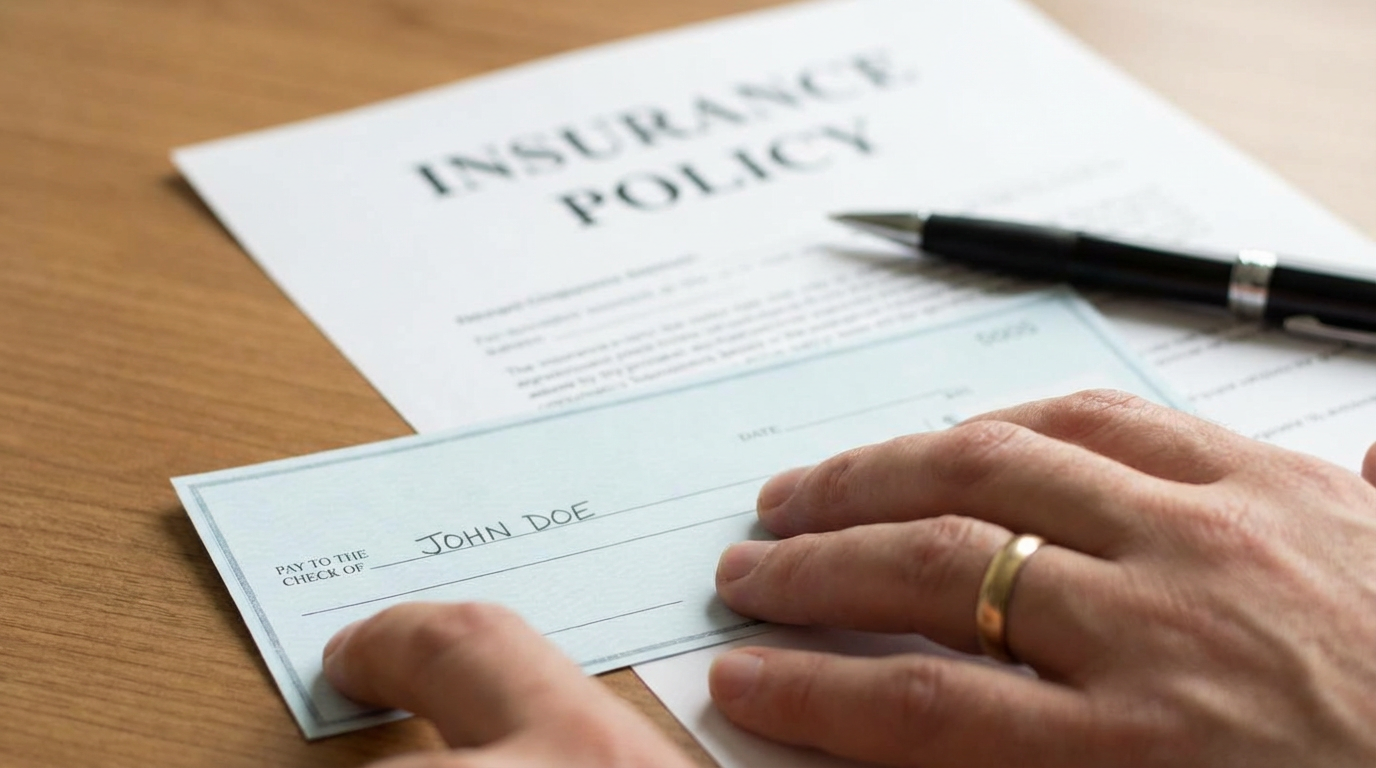
This decision page explains when a first offer settlement too low scenario is likely, how insurers calculate opening numbers, and how to build leverage before final release decisions.
Case Visual Guide: Offer Decision Flowchart
Infographic concept: Decision tree: "Offer received" -> liability clarity check -> treatment maturity check -> damages completeness check -> negotiate, hold, or litigate path.
Alt text: "Insurance first-offer decision flowchart showing when to negotiate, reject, or escalate in California injury claims."
Mobile note: full-size vertical panel with one decision gate per row.
Key Takeaways
- Early offers often precede full claim valuation.
- Lowball settlement offer car accident tactics are common.
- Demand package quality drives negotiation leverage.
- Releases usually end the claim permanently.
- Comparative fault and causation disputes should be addressed before acceptance.
Liability and Legal Framework
Comparative Fault Effects
A first offer can embed an unfavorable fault percentage. If you accept without challenging liability assumptions, you effectively ratify the carrier's fault model and reduced value baseline.
Burden of Proof and Valuation Readiness
Insurers set early authority based on what is currently provable. Incomplete treatment, sparse records, and unresolved wage loss create lower opening numbers.
Evidence Preservation and Demand Timing
Negotiation timing should follow evidence readiness. Strong insurance negotiation california strategy means presenting integrated liability and damages evidence, not isolated records.
Insurance Tactics
Common tactics include urgency framing ("this offer expires"), medical minimization, and selective record review. Counterstrategy is structured rebuttal with timeline control.
What Builds a Strong Counteroffer Package
- Liability exhibit set with objective proof
- Medical chronology and prognosis support
- Wage loss and economic damages records
- Pain/suffering impact narrative with functional evidence
- Policy limit analysis and exposure framing
- Deadline-driven response architecture
Decision-page emphasis: claim valuation leverage, not emotional pressure, should drive settlement acceptance decisions.
FAQs
Should I accept the first settlement offer?
Usually not before full valuation review of liability, medical trajectory, and damages.
Why do insurers start low?
To test whether the claim can settle below full-value exposure.
How do I respond to a lowball offer?
Use a documented counter with evidence-backed valuation and clear deadlines.
What happens if I sign a release?
You usually cannot reopen the claim later for additional compensation.
When can a first offer be acceptable?
Only when liability and damages are fully mature and the number reflects documented value.
Related Resources
Primary Resource: Personal injury overview
Related Service Pages: Premises liability (Los Angeles) | Slip and fall claims
Claim Playbooks: Lowball Offer Response | Demand Letter Negotiation | Adjuster Claim Valuation
Strong CTA
Before signing any release, get a litigation-grade value check. Insider Accident Lawyers provides free bilingual case evaluations and first-offer risk analysis so you negotiate from strength, not pressure.
Results Disclaimer: Prior outcomes do not guarantee future outcomes.
Attorney Advertising: This page may be attorney advertising.
No Attorney-Client Relationship: No attorney-client relationship forms without a signed agreement.