Can You Sue a Nursing Home for Bed Sores?
Yes. When a nursing home fails to prevent or properly treat bed sores (pressure ulcers), the resident or their family may have a claim for negligence.
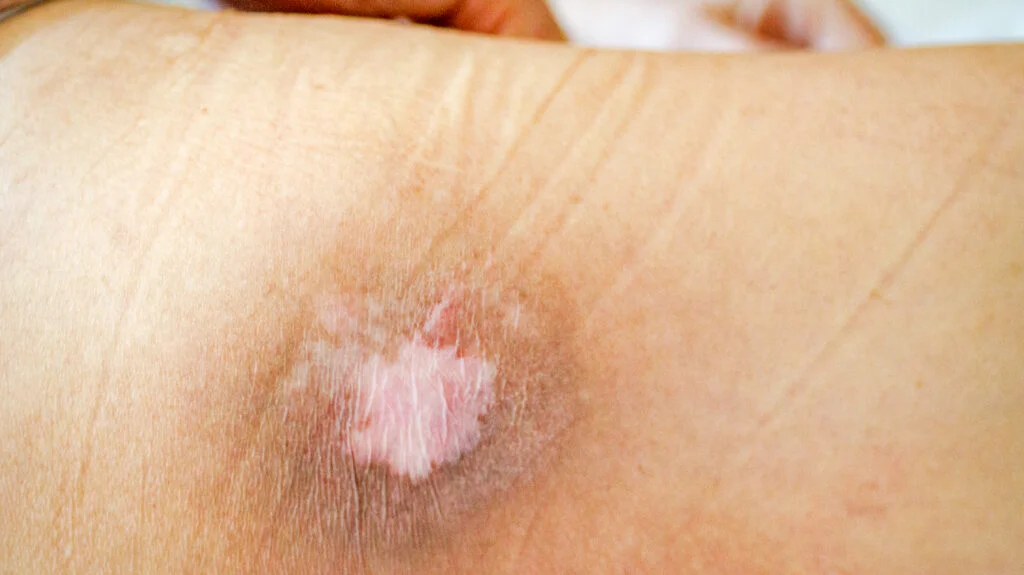
When You Can Sue
You can sue when (1) the facility had a duty to provide care, (2) it failed to meet the standard of care (e.g., didn’t reposition, didn’t treat wounds), and (3) that failure caused or worsened the bed sores and harm. Evidence typically includes medical records, wound documentation, care plans, and staffing records.
Elements of Nursing Home Negligence
A bed sore claim usually requires four elements of nursing home negligence: (1) Duty—the facility owed the resident a duty to provide adequate care; (2) Breach—the facility failed to meet the standard of care (e.g., no repositioning, no wound care); (3) Causation—that failure caused or worsened the bed sores and harm; (4) Damages—the resident suffered injury, medical costs, or death. A nursing home neglect lawyer can review your records and identify how to prove each element.
Who Can Bring the Claim
The resident (if competent), a legal guardian, or in wrongful death cases the estate or family members. A bed sore attorney or lawyer can confirm who has standing in your situation.
How Much Can You Sue a Nursing Home for Neglect?
There is no fixed average settlement for nursing home neglect or bed sore cases—every case turns on the facts. Factors include the severity of the wounds (e.g., Stage 3 and 4), the facility's conduct, medical bills, and whether the resident died. Severe or fatal cases often support higher recovery when liability is clear. A lawyer can give you a sense of range after reviewing your records.
What You Can Recover
Damages can include medical expenses, pain and suffering, rehabilitation costs, and in death cases wrongful death damages. Severe or fatal bed sore cases can support substantial recovery.
How to Prove Nursing Home Neglect
To prove nursing home neglect in a bed sore case, your lawyer typically uses medical and facility records: care plans, wound documentation, repositioning logs, staffing records, and timelines showing when the resident was at risk and when wounds appeared or worsened. Expert testimony on the standard of care and causation is common. Acting quickly helps preserve evidence and meet deadlines.
Statute of Limitations
In California, you generally have two years from the date of injury (or from when you knew or should have known of the harm) to file a nursing home neglect or bed sore lawsuit. Wrongful death also has a two-year deadline. Missing the deadline can bar your claim—consult a lawyer as soon as you suspect neglect.
Suing a Hospital for Bed Sores
Families often ask whether they can sue a hospital for bed sores. Yes—if your loved one developed or worsened pressure ulcers while in a hospital (or nursing home, rehab, or assisted living) because staff failed to reposition, assess skin, or provide proper wound care, you may have a claim. A bed sore attorney can review the records and advise.